Here’s something to smile about – Interest Free Braces!

Regain confidence in your smile with our range of Orthodontic Treatments that will leave your teeth beautifully straight and gap-free. If you suffer from Crooked Teeth or have large gaps between them, Dental Braces are the solution. Our experienced dentistry team right near Wentworth Point are here to get that smile back in shape.

Major advancements in dental technology have resulted in more efficient brace systems that will correct your Teeth Alignment faster and without discomfort. Dental Braces provide continuous gentle pressure to move your teeth back into optimal position. Although children and teenagers are the most usual clientele, more adults are making the choice to correct their Teeth Alignment than ever before. You’ll simply love your new smile!

Free Initial Consultation

To help get you started on your journey to gorgeous straight teeth, we’re offering a Free Initial Consultation. Our Dentist will assess your teeth, discuss your braces options and outline a treatment plan that best suits you.

Different Types Of Braces

Everyone is different. So we have a range of modern, slimmer and stronger braces that will suit your budget and lifestyle.

Metal – the most traditional, cheapest form of braces made with metal brackets and wires with clear or colourful bands

Ceramic – similar in functionality to metal braces, these ceramic braces are tooth-coloured, or clear, to camouflage with your teeth.

Dental Braces Wentworth Point

How Much Do Braces Cost?

The cost of straight, pristine teeth is more affordable than you might think. At Rainbow Dental, we offer Interest-Free Payment Plans to help keep your family budget on track, for all or part of your treatment costs. And as always, bring your private health provider member’s card for even Cheaper out-of-pocket treatment fees.

Book in today!

We know life is busy and dentistry work is often last on your ‘to do’ list. Conveniently located close to Wentworth Point, our Olympic Park dental practice is open 7 days a week.

Monday to Friday 8 am – 6 pm

Saturday 9 am – 2 pm

Sunday 9 am – 1 pm

Parking

Free 30-minute parking is available in front of the clinic. Alternatively, P6 paid parking is located within 200 meters of the dental practice

Getting Here

We’re only 3.4 km away from Wentworth Point

Head north-west towards Hill Rd – 220 m

Turn left onto Hill Rd – 450 m

Slight left onto Bennelong Pkwy – 1.2 km

Turn right onto Marjorie Jackson Pkwy – 650 m

Turn left onto Australia Ave – 650 m

Turn right onto Murray Rose Ave – 150 m

Clinic is on the right

So if you need a local Wentworth Point Dentist that offers superior service, flexible hours and Interest-Free payment plans, call our friendly staff today on (02) 8021 5285.
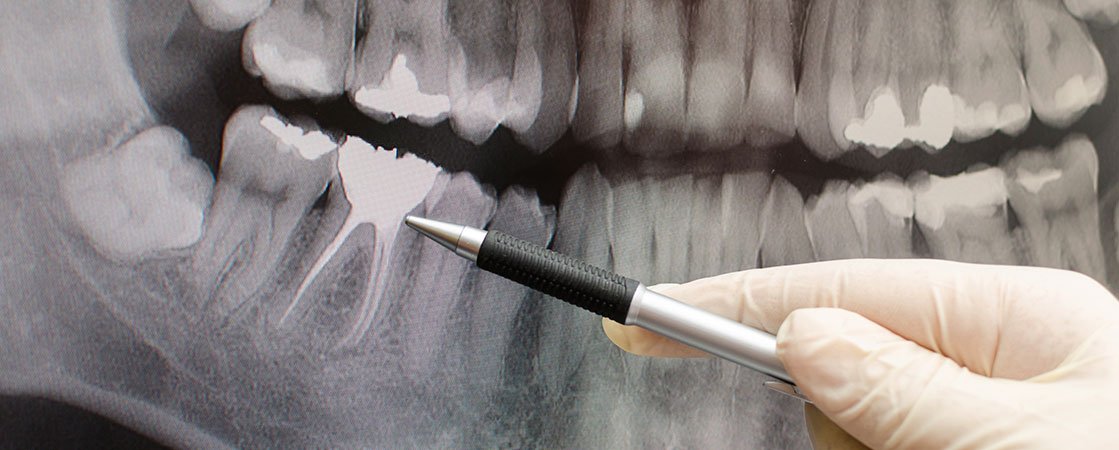
Why Dental X-Rays Are Required?

dental x-rays

The Dental radiography is an important part of your dental care. It is the tool by which dentists can identify various dental issues through X-ray imaging.

The X-Rays provide the dentists and the patients with valuable information such as small cavities that are not visible to the naked eye and as a positive consequence significantly decreasing the cost and annoyance of fixing the problem. Also, the dentists can use X-rays to diagnose common problems such as decay, gum disease, root problems, abscesses, abnormal growths and different types of infection and even more serious issues related to the bones, such as cancerous tumours or cysts.

Some patients are understandably concerned about this kind of radiation. The good news is that the level of radiation emitted during dental X-rays is so low as to be considered negligible. Depending on where you live and what you do throughout your day, you may get more radiation through daily life than you do through a single mouth X-ray. However, cells can be damaged by many small doses that add up over time. That’s why experts say that X-rays should be used with caution and only when necessary.

Their frequency depends on the individual’s dental health, signs of dental problems, age, and risk for oral disease. In most cases, a new patient will require a full set of mouth X-rays so that the dentist can evaluate their oral health status and for future comparisons. Follow-up or existing patients may require X-rays to monitor their gum condition or chances of tooth decay.

In children, radiographs allow the dentist to see how their teeth and jawbones are developing.

If you are seeing a new dentist, make sure to provide him/her with copies of your existing X-Rays to avoid duplicating them. This also will help limit your exposure to radiation.

If you are pregnant, tell your dentist. During your pregnancy, you may need to have radiographs taken as part of your treatment plan for a dental disease that requires immediate attention. Use of the leaded apron and collar will protect you and your foetus from radiation exposure.

Often people are asking why X-rays cost so much. The X-ray machines are expensive. These are sophisticated and technologically advanced machines. Also, the software and computers to digitally process the x-rays have a relatively high cost.

To learn more about the benefits and safety of dental radiographs, talk with your dentist.

With early detection using dental X-Rays, you can get the treatment you need before problems have a chance to develop. They can save you from the pain, time and expense of treating them after they are getting worse.

Why Should You Have A Regular Dental Check Up ?

Why-Should-You-Have-A-Regular-Dental-Check-Up

Daily brushing and flossing twice a day are good dental habits, but it doesn’t guarantee you a seamless dental hygiene. The problem with us is that we reach a dentist’s place only when we have a toothache at the least. But there is more to a dental check up than just treatment.

The Significance of a Regular Dental Checkup:

Dental check up is necessary for a range of needs that facilitate dental health.

•    Get it done the right way – Cleaning and polishing:
As already said, your regular dental habits don’t guarantee a flawless dental hygiene. A dentist cleans and polishes your teeth, removes any plaque or tartar, fills in any exposures and ensures health to your dental cavity. Especially if you have braces or have worn braces, a dentist’s cleaning is a must for a prescribed period of time.

•    Prevention is better than cure – Early diagnosis and treatment:
It is not just about getting a dentist’s treatment when a health problem occurs in the dental area but more important that you get to diagnose it before it gets worse. Dentists have the perfect sense of any dental issue like periodontal problem, wisdom tooth issue, tooth decay and so on, from the early signs they give rise to. That way, your dental hygiene is kept in the perfect shape round the year.

•    When the situation demands – Timely treatment:
Problem arises when you are not really aware if the problem even exists. Sometimes a simple gum problem if unattended can lead to severe periodontal problem. A simple toothache might lead to decay and loss ultimately.  In such cases, it is mandatory that the persisting problems be treated the right way in the right time to avoid severe damage.

•    Know your tooth well –Dental Hygiene Education:
After all the examination and treatment, the Dentist advises you on your dental health and suggests any routine dental habits that you have to improve upon. Often, it is the time between the dentist visits that matters the most, as only a strict adherence to the proposed practices will result in a good dental health. Simple brushing, flossing techniques also matter a lot and the dentists advise on the best ways to do them.

•    A holistic check up – Comprehensive Examination:
Sometimes, the dentist performs a total check up called the comprehensive examination where the dentist will:
–    Thoroughly examine your mouth, head and neck
–    Study and analyze your dental history
–    Take necessary X-Rays

This is because; a lot of other health problems like diabetes, heart disease, etc. are associated with your dental cavity too. So the symptoms of any unease in your dental area might be the signs of health issues in other parts of your body at times.  So it is your duty to let your dentist know on any dental issue that you face like gum issue, bad breath, pain waves and so on, for they may indicate a more serious problem laying ahead. In general, a dentist visit is advisable once in every 6 months, though the dentist may advise more frequent visits on specific conditions. Rainbow Dental based out of Sydney is open all days in the week to step in for a friendly dental check up. Pay a visit and take home a healthy smile.

Gum Disease – The symptoms, causes and smart home Remedies

A healthy smile is as important as a happy smile. The problem with us is that we pay attention to dental health only when the tooth aches or loosens. Otherwise we are happy getting along with the routine unmindful. Of the many consequences of poor dental care, gum disease is a common one today. The worst part is it doesn’t show any symptoms until it aggravates and demands a Dentist’s touch to set things right or remove some. It is important to know better about Gum disease and maintain a healthy lifestyle accordingly.

Quick Symptoms of Gum disease:

  • Gums that bleed easily
  • Red, swollen, tender gums
  • Gums that have pulled away from the teeth
  • Persistent bad breath or bad taste
  • Permanent teeth that are loose or separating
  • Any change in the way your teeth fit together when you bite
  • Any change in the fit of partial dentures

Common Causes of Gum disease:

With age: Studies show that older people have the highest rates of periodontal disease. It is the age of 30 and above which is considered the zone of concern.

Smoking/Tobacco: Tobacco usage not only sinks your lungs but dips your dental care too. They not only lead to tissue damage, but also delay the healing of infected gums too during treatment.

Genetics: To a fair level, Gum disease can be hereditary too. Putting oral hygiene on the priority is important in such cases.

Stress condition: Stress also is a risk factor for periodontal disease. Research demonstrates that stress can make it more difficult for the body to fight off infection, including periodontal diseases.

Medications: Some drugs, such as oral contraceptives, anti-depressants, and certain heart medicines, can affect your oral health.

Diabetes and systematic diseases: Cardiovascular disease, diabetes, and rheumatoid arthritis can worsen the gum condition.

Poor nutrition: A diet low in important nutrients can compromise the body’s immune system and make it harder for the body to fight off infection. Because periodontal disease begins as an infection, poor nutrition can worsen the condition of your gums.

Gingivitis to Periodontitis:

Constant plaque and tartar deposit will eventually seed the gum disease.What starts mildly as Gingivitis with little inflammation and tender gums, might worsen over time into Periodontitis that will lead to loosened teeth that demand removal. So gum disease is nothing to be taken for granted but prevented in time.

Preventive measures:

The best thing is to prevent it and the worst thing is to control it. The number and types of treatment will vary, depending on the extent of the gum disease. Any type of treatment requires that the patient keep up good daily care at home.

  • Brushing twice a day, flossing regularly to remove food particles and using an anti-bacterial mouthwash after every meal will serve the purpose
  • Quitting tobacco is mandatory
  • Thorough chewing of food to exercise the gums
  • Restricting your intake of foods that are high in sugar, which could include sodas, juices, sweets, chocolates, candies, cookies, cakes and so on.
  • Vitamin C&D rich food intake is important

Few quick home remedies that you might keep in mind to comfort your gums.

  • Saltwater mouth wash:

Warm cup of water + Small amount of salt = Home Mouth wash ready! Take a sip and swish it in your mouth for 30 seconds in the morning and night. This reduces swelling in the gums and draws the infection out of the abscesses.

  • Baking soda:

Dip your toothbrush into a solution paste of Baking soda in warm water and apply it before brushing up. It neutralizes the acids in the mouth, which in turn reduces the chances of tooth decay and gum disease.

  • Tea bags:

Steep tea bag in boiling water and cool it for a while then. Place the bag on the infected area for 5 minutes. The tannic acid present in tea relieves gum infection.

  • Honey:

Apply honey on the infected region after brushing. The antibacterial and antiseptic properties of honey help in fighting gum infection too.

  • Cranberry juice:

Drinking up to 4 ounces of unsweetened cranberry juice can reduce gum infection by preventing bacteria from sticking to the teeth.

  • Lemon: Lemons, rich in vitamin C, help a lot to fight the inflammations. Add a pinch of salt to lemon juice and mix it well that it looks like a paste. Apply this paste on to your teeth and leave it on for a few minutes, before gargling with water.

If the gum issues remain prolonged, it is best advised to visit your dentist near you without delaying. Over all, a good dental routine and a regular dentist visit do the trick for healthy gums on the long run. Take care!

The 12 Dental Hazards Of Christmas

Most festive time of the year, but the worst time for dental health.

chr1Sugary Christmas Treats
Rinse your mouth with water after consuming sugar-filled foods. Don’t forget to brush and floss, especially at bedtime!

Acidic Drinks
To limit the damage caused by consumption of wines and soft drinks swish a mouthful of water every so often to increase saliva flow and rinse away sugars and acid.

Hard Lollies
Best to avoid. If you can’t, avoid chewing and rinse mouth afterwards.

Sticky Lollies And Desserts
Clean teeth thoroughly with a toothbrush and floss after eating sticky food. Use an interdental brush if you must.

Silver Coins in Christmas Puddings
Check before you bite whether a coin is hidden in that delicious Christmas Pud!

Opening Things Using Your Teeth
Use scissors, bottle openers and other appropriate tools to open gifts. Never your teeth.

Grinding Teeth Through Stress
If clenching your teeth starts to cause pain or damage to your teeth, give your dentist a call as soon as possible.

Kissing Under the Mistletoe
It’s possible to catch the virus that causes cold sores and the common cold by kissing somebody. Brush and floss to keep the germs under control.

Being Tired or ‘Under the Weather’
If you feel really tired, at least brush in bed without toothpaste. Don’t forget to have a good swish of water to rinse your teeth afterwards.

Chocolates, Wines, Coffee, Tea
If you eat these dark-coloured foods, then brushing your teeth is your first defense against staining. Regular cleaning by a dental hygienist also helps to remove surface stains.

Forgetting to Pack Toothbrush
Avoid sugary foods, and rinse your mouth with water carefully after meals. You might even want to an old-fashioned toothbrush: the chewed end of a stick!

Putting Off Dental Work
Remember to visit your dentist and have the dental procedure done before taking off on a holiday so you can enjoy your break knowing that your dental health is stable.

Check out this infographic: 12 Dental Hazards Of Christmas

Dental Treatment During Pregnancy

Some women are predisposed to experiencing oral problems during pregnancy, and are more likely to get tooth decay at this period.

Sometimes periodontal disease like chronic infection in the gums may cause premature births. Pregnancy in itself does not harm teeth directly in any way. It is the increased level of hormones during pregnancy that affects the body’s response to plaque and decay.

Dental Treatment During PregnancyThe expectant mother needs extra calcium for the growing foetus. If the pregnant woman has inadequate calcium intake, her bones will provide calcium for the growing baby needs. The calcium loss will be replenished after the mother stops breastfeeding, but till that time, the extra need of calcium may lead to dental problems in some women.

Dental disease can also affect the developing baby. It is estimated that periodontal disease triggers 18 % of premature births in America. Developing countries may have a higher percentage of premature babies born because of periodontal disease.

The best strategy to prevent periodontal diseases during pregnancy is to follow a good dental hygiene regime pre pregnancy. During the period before you plan your pregnancy, it is a good idea to brush your teeth twice daily. Use good fluoride toothpaste. Floss between your teeth. And keep a routine for dental check-up.

If you are planning to get pregnant, it is a good idea to tell your dentist about it so that he can carry out elective procedures before you conceive. If there is any requirement for dental treatment, non-urgent procedures can be carried out after you deliver the baby.

When you conceive, tell your dentist about it. He may put off taking x-rays as it may harm the developing foetus. If dental x-rays are necessary, or unavoidable, he may take extra precautions to make sure about the baby’s safety. In case your dental situation requires anaesthesia or medications, it is best to talk to your obstetrician before going in for the procedure.

Common causes for dental problems during pregnancy

Vomiting: Vomiting is damaging to the teeth. The pregnancy hormones cause the muscle ring that keeps food in the stomach to soften. When pregnant women experience gastric reflux, in the mornings, called morning sickness, the regurgitated stomach acids coat the teeth.  Repeated regurgitations or vomits damage tooth enamel, thereby increasing the risk of decay.

It is advised not to brush your teeth immediately after vomiting as teeth are covered with stomach acids, and brushing may scratch the tooth enamel. Just rinse your teeth with plain water.

Use fluoridated mouthwash. If you do not have fluoridated mouthwash than put a dab of fluoride toothpaste on your finger and smear it on teeth all over. Then rinse with water.Brush your teeth after an hour.

Cravings for starchy and sugary foods

Some women crave sweet foods during pregnancy. Sugar in increased amounts increases the risk of tooth decay. Choose healthy options as a fruit. Brush after eating sugary snacks.

Gum problems

Some women are susceptible to gum problems because of hormones that are secreted because of pregnancy. The response to plaque due to increased hormone level cause gum inflammation more during second semester. Sometimes, there is undiagnosed or untreated gum infection. This gets worse during pregnancy and may lead to tooth loss. It will show up as swollen gums, called epulis. Many a times it is resolved after the birth but sometimes the tooth is lost.

Dental Treatment During PregnancyOne must start using a softer toothbrush if the gums are inflamed.

Retching while brushing teeth

Some pregnant women find that brushing teeth brings up food. Tooth decay may start if you don’t brush your teeth because of retching. You can use a brush witch has small bristles and small head, like toddler’s brush.

  • Slowdown your brushing action.
  • Close your eyes while brushing. It may help.
  • Listening to music distracts you and may help in brushing.
  • Switching to another brand of toothpaste is helpful.

Tips to avoid dental problems during pregnancy

  • Increase calcium intake. Include milk, cheese, yogurt, and fortified calcium drinks.
  • Increase vitamin D during pregnancy. Cheese, fish and eggs will help increase your vitamin D in diet.

Remember that all pregnant women do not necessarily get dental problems but it is worth the while to take precautions. A regular visit to your dentist is a must.

8 Useful tips on how to prepare for your dental visit

Visiting a dentist is not on anybody’s list of favourite things to do. But knowing what to expect during the visit can help you prepare yourself better and make the most of the visit. Hopefully, the dentist will tell you that you been taking great care of your teeth and ask you to come after six months. Or you may need a dental treatment to take care of any problems that the checkup uncovers. Regardless of whether the appointment is for a routine checkup or for something more advanced like a root canal procedure, there are a few things that you must do before the visit.

dental visit


  1. Confirm the appointment with the dentist’s office

You may have already made the appointment a couple of weeks earlier, but it is a good idea to confirm it again 24 hours in advance in order to prevent miscommunications. Some dental offices will do this for you, but if you do not hear from them make the call yourself.

  1. Transfer old dental records to the new clinic

If you’re visiting a new dentist for the first time, get in touch with your old dental clinic and arrange to have your previous dental records sent to the new clinic.

  1. Prepare all your information

Your dentist will need detailed information about your previous medical and dental history. Make a list of all the medications that you’re taking and be prepared to provide information about your dental insurance and preferred form of payment.

  1. Brush and floss

Clean your teeth before you arrive at the dentist’s office. This will make it easier for the dentist to examine you.

  1. Arrive well on time

The checkup is not going to start moment you arrive at the office. Get there early so you have enough time to complete the required forms, and to relax and calm your nerves before the actual appointment.

  1. Discuss the problem in depth

The better the quality of information that your dentist receives, the easier it is to arrive at the right treatment. Hopefully, you have made enough notes about the problems that have been experiencing such as when the pain started, the level of pain that you feel, and other issues such as swollen or bleeding gums. Be completely honest about your medical and dental history and answer all the questions of the dentist truthfully.

  1. Be upfront about your anxieties

Be advised that there are a lot of methods that are available to reduce your anxieties. Be upfront to the dentist about your anxieties and fears about the treatment.

  1. Schedule appropriate treatments and follow-ups

Dental procedures often take much longer than dental exams, so you may need to come infor a later visit if a procedure needs to be performed. Check with your dentist how long the procedure would take and what to expect after. Schedule the dental appointment at your convenience and also check about the post procedure guidelines to follow. You have anything else to add to this list? Share with us how you prepare for your dental visit in the comments below.

Call Now, We're Available (02) 8021 5285 Book Online