Make the most out of your benefits before December 31st!

health insurance for dental procedures

As many of us know going to the dentist is necessary but can be quite expensive, right? That´s the reason why many of us decide to get a private health insurance for dental procedures.

Generally, getting a private health insurance is a smart idea and a great way to save on healthcare expenses that can take a significant toll on your pocket each year!

We want to inform you that with most Private Health insurances and extra covers also comes benefits! Believe it or not, but there are more than 12 million Australians with Private Health insurance and extras cover, but most of them don’t take advantage of all their benefits!

And: your benefits are limited! 

That means, that most private health funds in Australia reset their benefits after December 31 and unfortunately, any unused benefits do not roll over to the next year!

A benefit limit is a maximum amount you can claim for specific services, which usually resets at the start of a new year.

So if you haven’t had a dental check-up & clean in the last six months and if you want to use, what you’ve already paid for, it may be a good idea to book an appointment with us, so we can schedule any required treatment and help you, before your benefits expire!

As the limits on your extras policy depend on your health fund and the cover that you have, we recommend calling your provider directly to get a full view of what you can claim before December 31st and before TIME RUNS OUT!

Feel free to give us a call us on 02 8021 5285 ASAP, as our books are being quite busy before Christmas!

Kindest Regards

Rainbow Dental Practice

Bleeding Gums: What Does It Mean?

Do your gums bleed when you brush?

The sight of your bleeding gums can be pretty overwhelming – not to mention, alarming. There are several possible causes of bleeding gums, from changing your oral care routine to a side effect of pregnancy. However, it could also be gum disease. Plaque might be starting to build up on your teeth and cause infection. If left unattended, it could lead to symptoms of gingivitis and then escalate to more troubling dental issues.

bleeding gums

So, do you need to see your dentist right away?

Sometimes, the best remedy for bleeding gums is a good dental care routine. Take the slight bleeding as a sign that you need to step up your oral care game. Over time, it might make your gums feel better.

We encourage you to improve your gum health by following the oral care tips listed below.

  1. Brush and floss regularly

Brush your teeth twice a day to remove the layer of bacteria on your teeth. We know it sounds counter intuitive, but remember that healthy gums don’t bleed when you brush your teeth. Bleeding might just be your gums’ way of telling you that it’s time to stop being sloppy with your dental care routine. It’s time you brushed your teeth regularly.

We also recommend flossing as it reaches and removes bacteria from the grooves of your teeth, preventing plaque build-up.

  1. Use an electric toothbrush

Instead of using a regular toothbrush, you can opt to use an electric one. It will be able to remove plaque and bacteria on your gums more effectively. It can move faster than your hand can, enabling it to provide a thorough yet gentle clean.

  1. Maintain a healthy diet

An excellent dental routine is the best remedy for bleeding gums, but maintaining a well-balanced diet also contributes to better oral health. The food you consume affects the health of your mouth. Sweets and carbohydrates increase your risk of tooth decay. Not to mention, they provide the perfect nutrients for bacteria to grow.

Hence, commit to a diet that is low in sugar and high in nutrients. Of course, you don’t have to stay away from sweets forever. You just need to consume them in moderation.

  1. Breathe through your nose

What does nasal breathing have to do with oral health?

Breathing out of the mouth is a problem. It may lead to several oral health and hygiene issues. For starters, a dry mouth can lead to bad breath and tooth decay. That’s because the pH in your mouth changes when it’s dry, providing ideal conditions for bacteria to grow. Mouth breathing can also increase your risk of gum disease such as gingivitis.

If you’re a mouth breather, you may try to practice mouth taping when you sleep. We also recommend seeing your dentist. They may have a solution to your problem.

  1. Visit the dentist regularly

You should have your teeth cleaned at least every six months or as often as your dentist recommends. If you see a dental practitioner on a regular basis, you won’t have to worry so much about plaque build-up and bleeding gums.

Take it as an opportunity to ask your dentist questions about your bleeding gums and other concerns regarding your oral health.

Conclusion

A small amount of blood might not be enough to motivate you to head to the dentist, but when your gums are bleeding consistently, never ignore it. We highly suggest you make an appointment with your dentist.

A good dental routine is key to maintaining a healthy smile. It’s the best remedy for bleeding gums. As mentioned, we recommend you brush twice a day, floss daily and cut down on sweets and sugar-filled drinks. More importantly, you’ve got to take regular trips to the dentist. We can diagnose problems and deal with them before they can do enough damage to your teeth as well as your wallet.

Dental disease may leave a lasting impact on your teeth if you leave it unattended So, don’t be afraid to make a quick trip to the dentist. It will spare you a lot of toothaches and costly dental procedures.

To find out more about bleeding gums and other preventable dental diseases, send us an email at info@rainbowdental.com.au or contact us at 02 8021 5285.

Why Dental X-Rays Are Required?

dental x-rays

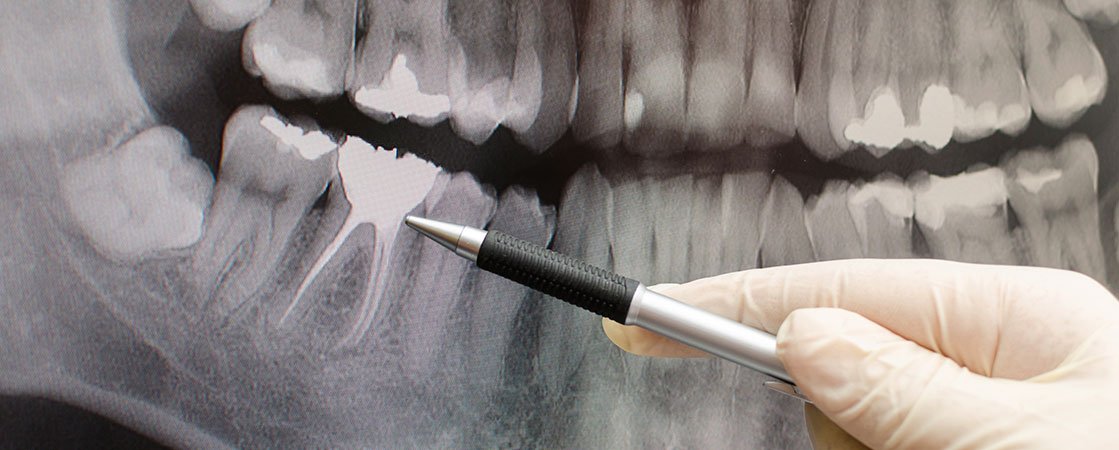
The Dental radiography is an important part of your dental care. It is the tool by which dentists can identify various dental issues through X-ray imaging.

The X-Rays provide the dentists and the patients with valuable information such as small cavities that are not visible to the naked eye and as a positive consequence significantly decreasing the cost and annoyance of fixing the problem. Also, the dentists can use X-rays to diagnose common problems such as decay, gum disease, root problems, abscesses, abnormal growths and different types of infection and even more serious issues related to the bones, such as cancerous tumours or cysts.

Some patients are understandably concerned about this kind of radiation. The good news is that the level of radiation emitted during dental X-rays is so low as to be considered negligible. Depending on where you live and what you do throughout your day, you may get more radiation through daily life than you do through a single mouth X-ray. However, cells can be damaged by many small doses that add up over time. That’s why experts say that X-rays should be used with caution and only when necessary.

Their frequency depends on the individual’s dental health, signs of dental problems, age, and risk for oral disease. In most cases, a new patient will require a full set of mouth X-rays so that the dentist can evaluate their oral health status and for future comparisons. Follow-up or existing patients may require X-rays to monitor their gum condition or chances of tooth decay.

In children, radiographs allow the dentist to see how their teeth and jawbones are developing.

If you are seeing a new dentist, make sure to provide him/her with copies of your existing X-Rays to avoid duplicating them. This also will help limit your exposure to radiation.

If you are pregnant, tell your dentist. During your pregnancy, you may need to have radiographs taken as part of your treatment plan for a dental disease that requires immediate attention. Use of the leaded apron and collar will protect you and your foetus from radiation exposure.

Often people are asking why X-rays cost so much. The X-ray machines are expensive. These are sophisticated and technologically advanced machines. Also, the software and computers to digitally process the x-rays have a relatively high cost.

To learn more about the benefits and safety of dental radiographs, talk with your dentist.

With early detection using dental X-Rays, you can get the treatment you need before problems have a chance to develop. They can save you from the pain, time and expense of treating them after they are getting worse.

How to Brush and Floss Your Teeth

How To Brush Your Teeth

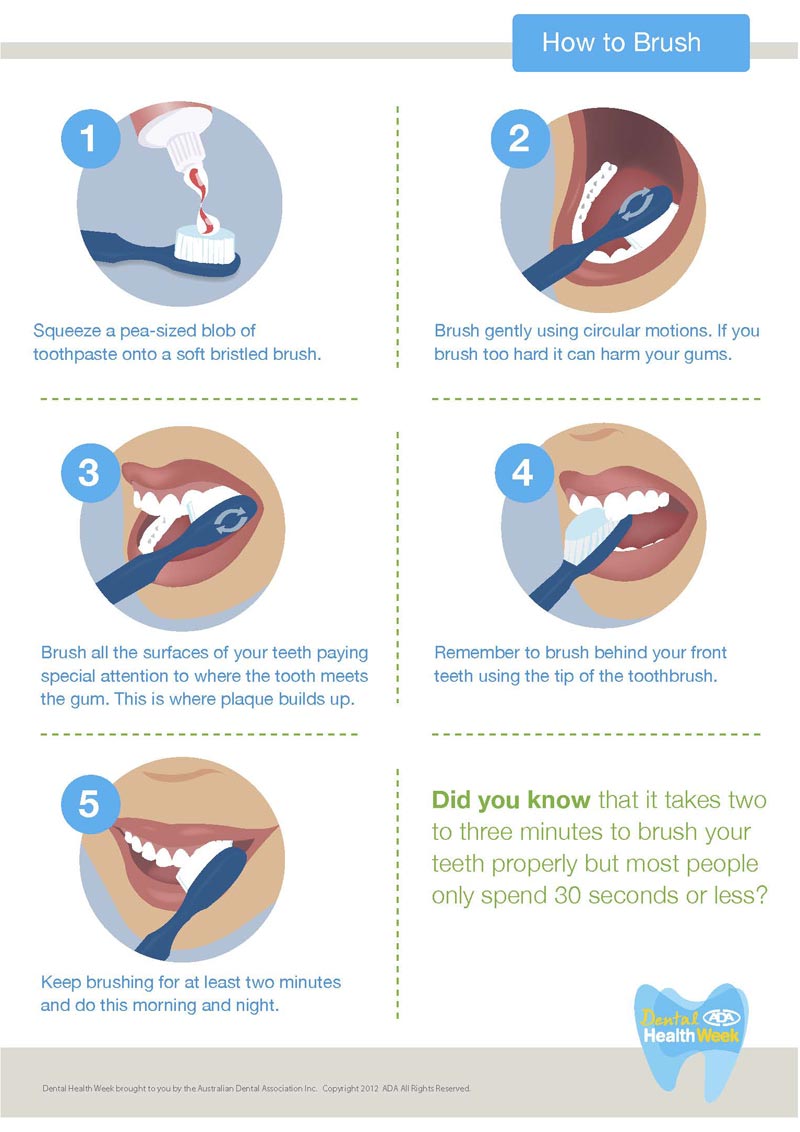
To properly brush your teeth, use small, circular motions, paying attention to the gum line, hard-to-reach back teeth and areas around fillings, crowns, implants or other restorations.

Place the toothbrush at a 45°angle along the gum line. Move the toothbrush in a small, circular motion, and repeat for each tooth.

Brush the inside surface of each tooth.

Brush the chewing surface (top) of each tooth.

Use tip of the brush to brush behind each tooth — front and back, top and bottom and up and down strokes.

For fresher breath, be sure to brush your tongue at least once a day.how to brush

How To Floss Your Teeth

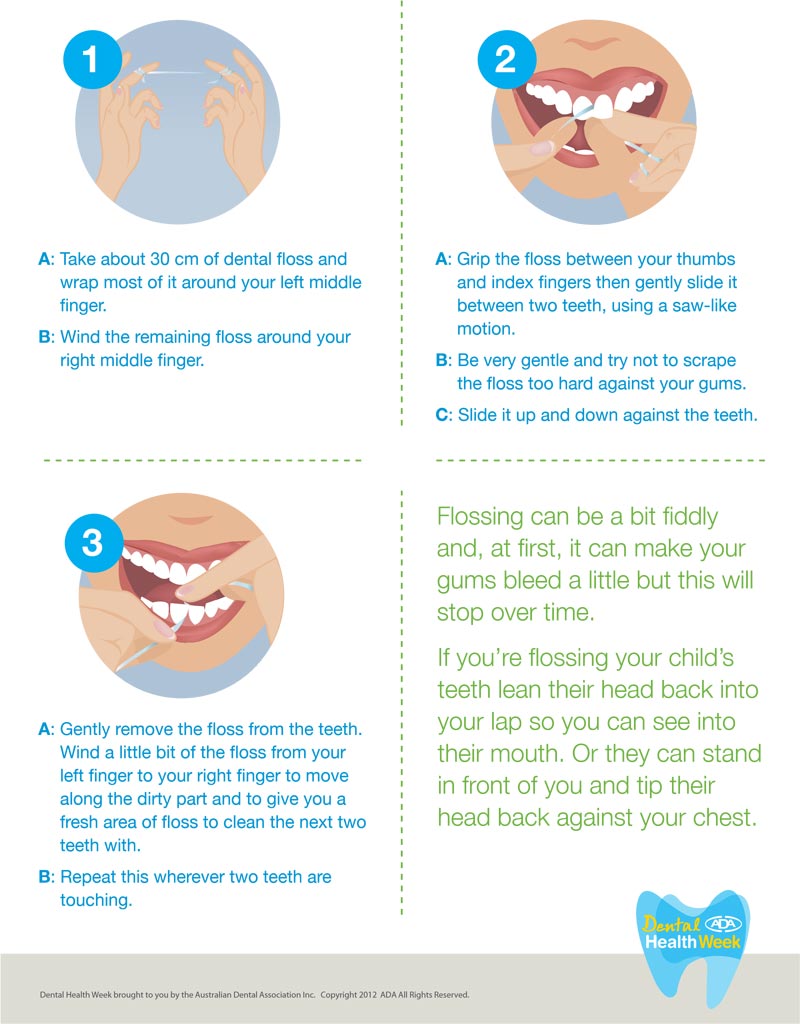
Pull approximately 30 centimetres of dental floss from the floss dispenser.

Wrap the ends of the floss around your index and middle fingers.

Hold the floss tightly around each tooth in a C shape; move the floss back and forth in a push-pull motion and up and down against the side of each tooth.

how to floss

Teeth Problems During Lactation Period

Calcium is the primary mineral responsible for the health of bones and teeth structures. The body needs calcium, vitamin D and phosphorous to build a healthy skeleton and healthy teeth. An additional supply of minerals and vitamins are needed to maintain good health of bones and teeth during pregnancy and lactation.

The teeth are encapsulated in bones. The bones that surround the teeth roots are called alveolar bones. When there is deficiency of calcium in the body, the bone structure around the teeth becomes lose because of bone loss, resulting in periodontal diseases.

Research was carried out in Tohoku University in Japan to investigate if lactation affects alveolar bone loss. They found that mothers whose diet was not rich in calcium had put their bone structure around the teeth at risk.

Periodontists suggest that expecting mothers consume an especially high calcium diet while lactating. During pregnancy and lactation, the bones release calcium in the blood stream to be used for the baby’s bones, and for producing milk. Although this process is temporary, till the pregnancy and nursing lasts, it is vital that the loss of calcium from the bones is replaced by additional intake of calcium in diet and through supplements.

Breast feeding causes increased bone loss, as calcium is needed to produce milk. It is imperative for the mother to take sufficient amounts of calcium in her diet to cater to the additional requirement during lactation.

If the calcium intake by the mother is inadequate, the periodontal tissues react by inflammation, and there is disruption in tissues that surround the teeth, resulting in attachment loss. The bone that surrounds the root also shows loss causing tooth decay.

Nursing mothers have an increased requirement for calcium. When the baby is breast fed, the calcium that is critical for her skeletal development is supplied through the breast milk. In addition to the baby’s needs, the mother also needs to take enough calcium to prevent her own bone loss in the body and in the mouth, which can worsen the periodontal diseases.

Tips to maintain healthy teeth and gums during lactation

Here are a few tips to make sure that you keep your teeth healthy even while pregnant or breast feeding.

  • A thorough periodontal check should be done as soon as the woman finds she is pregnant.
  • Periodontal issues should be monitored, and if any, taken care of.
  • It is better to consult your dentist to resolve any outstanding dental issues before you conceive.
  • It is required to have higher than normal intake of calcium throughout pregnancy and lactation.

Oral health during lactation is all the more important because during pregnancy and lactation, prevention of bone loss around teeth becomes necessity. Lack of calcium during lactation is associated with oral issues in nursing women. Sometime a lot of oral health problems lead to recommendations of early weaning.

The insufficient calcium intake in the lactating mother leads to inflammation of periodontal tissues and causes gingivitis. This condition eventually deteriorates in alveolar bone loss leading to periodontal disease.

  • During lactation the mother needs to brush her teeth at least twice a day, more if possible.
  • Flossing is as important as brushing as food between the teeth cause bacteria to grow leading to tooth decay.
  • For better dental health during lactation, the diet of the mother should include calcium rich products such as milk, cheese, yogurt, fish, and whole grains.
  • In addition to calcium, there is need to take Vitamin D and phosphorous, for calcium to be absorbed. Lactating mother should include fruits and vegetables for the same.

Even after taking all these precautions, it is imperative for the mother to see her dentist regularly to prevent major oral issues.

Bone Grafting Procedures in Implant Dentistry

Technology advances in dental implants has made it possible to rectify and reconstruct various dental issues. One can replace and re-grow new teeth in place of broken or missing teeth. In the past couple of years, bone grafting has developed into a major implant dentistry procedure. The outcome of this procedure has redefined dentistry and dentists are now able to achieve results which were not possible before.

10 Dental Tips for Healthy Halloween 2015 Infographic

Halloween is mostly for children means bags of free candy and a chance to build a stockpile of sweets for the winter. No surprise, Halloween can also present parents with a variety of health and safety challenges.

This infographic shows 10 ways you can help your children’s dental health during Halloween and year-round.

Dental Cavities and Smart Home Remedies

dental cavities treatment

Have you ever had a toothache and when you checked it out in the mirror, there seemed shallow cavities starting to appear? Well they are the signs of dental cavities that result as a consequence of tooth decay. It might seem very mild in the initial times but it is very important that you find it out at the initial stages and get it corrected.

Symptoms:
It usually starts with a toothache and you can also notice indents in your teeth. The best way to figure it out is to have your Dentist take an X-ray for it clearly shows out the cavity affected areas.

Causes &effects of Cavities:
When we eat, our food particles get settled in gaps between teeth and have to be promptly removed by regular brushing and flossing. But when left untreated, they stayback,with the help of bacteria it becomes plaque that gets settled with the tooth. It then becomes tartar and starts eroding the tooth slowly. Tartar in its later stage is hard to remove by regular brushing. High-carb foods, sugar substances and starch are easily susceptible to be turned into acids that cause cavities. It usually starts with eroding the outer layer, and then it gets deep into the inner layer. What may start as superficial cavities, and gets serious then it may damage the pulp and causes tooth fracture or tooth abscess at a point.

Smart home remedies to treat dental cavities:
1. Clove
Add two to three diluted drops of clove oil to teaspoon of sesame seed oil, sink a cotton ball in this solution and place it in the affected tooth. With all its antibacterial, analgesic and anti-bacterial properties, clove can help alleviate toothache and prevent the infection from spreading to the adjacent areas.

2. Salt
Add one teaspoon of salt in glass of warm water and swish a mouthful of this solution for a minute, concentrating on the affected tooth. The antiseptic and antibacterial properties of salt make it of great use to fight cavities. It can ease inflammation, reduce pain, wither out any infection and prevent bacterial growth in the mouth.

3. Oil Pulling
An age-old practice, Oil pulling is an instant solution to a lot of dental problems. All it takes is a teaspoon of sesame oil that you can rinse around in your mouth for a minute and spit out. It helps preventing bleeding gums and cavity problems. Add little salt to be more effective.

4. Garlic
Add three or four crushed garlic cloves to a teaspoon of rock salt. Apply the paste on the infected tooth. With its rich antibacterial and antibiotic properties, garlic is great for fighting against tooth decay and cavities. It also aids in gum related problems. Eating raw garlic is also an easy option to try with.

5. Turmeric
Add half teaspoon of turmeric powder to a spoon of mustard oil. Massage your teeth and gums with the paste. With a rich history of usage in Ayurveda medicines, turmeric is good to treat cavities. It’s anti-inflammatory and anti-bacterial properties aid a lot in maintaining the health of gums.

These home remedies stay handy to prevent the cavities or treat them in the early stages. But in case of toothache resulting from cavities, it is advisable to contact your dentist right away. Rainbow Dental Practice based in Sydney is open seven days a week, Contact us on 02 8021 5285 for any dental emergency resulting from tooth decay or cavity.

5 Reasons Why You Should Start Flossing Right Away!

flossing - Rainbow Dental Sydney

It’s a common thing that your dentist asks you – “Have you been flossing regularly?” Some of us have ‘Yes’ as an answer but most of us would say ‘No’. We always believe brushing twice a day will keep our dental health in check, but there that is not just good enough to preserve the dental hygiene. This is where flossing helps. Dental floss is a cord of thin filaments used to remove food and dental plaque from between teeth in areas a toothbrush is unable to reach. We’ve heard it and we’ve seen it too. But what are the benefits of this, which makes flossing a ‘must-do’ thing? Let’s find out!

Flossing + Brushing: The Right Combination:
Brushing is something we are used to since childhood and there is no way we will miss doing it. But there is no myth greater than the thought that regular brushing is good enough to keep your dental hygiene in place. Yes, because when you brush, you tend to clean the particles attached to the surface of the teeth. But there are particles that are settled in the gaps between the teeth. Now this can’t be removed by just brushing alone. This is where flossing helps. It gets to the gaps that a brush can’t reach and sets the teeth clean of particles.

Say Hello to Healthy Gums:
And it is not just the teeth that forms the dental health but also the gums that form the foundation. The crevices between the gum and the teeth are real delicate areas that only flossing can find its way through. Regular flossing keeps the gums in the right tone and tense.

No More Tartar:
Flossing permits you to remove the plaque that instigates tartar while it’s in its initial form: sticky, but soft and malleable. Since plaque doesn’t harden into tartar until it’s been unchecked for a period of time, regular flossing can prevent the buildup of tartar.

Bye-Bye to Other Diseases:
Starting from issues like bad breath, discolored teeth or discomfort, the adverse effects of tooth & gum infections can go a long way far beyond the ones stated above. Extensive research has shown that the bacteria that flourish in an unhealthy mouth can harm the rest of the body, leading to heart disease, diabetes and respiratory illness. What may start as a periodontal gum disease, can lead to adverse effects in case of conditions like diabetes. Flossing is an easy option that will help avoid such complications by keeping the dental health intact.

Save your Medical Budget:
Apart from regular dental checkups, unhealthy teeth or gum always causes a headache putting up the act of hitting your dentist often than required. Regular brushing, mouthwash and flossing will do the trick to keep your smile healthy and avoid frequent dental visits. Now that saves a lot of money, doesn’t it? IT matters on the long run.

Those are the 5 critical reasons that signify the act of flossing. There are different types of floss available in the market. Visit your dentist to find out the best one for you are start using it. Rainbow Dental Practice based in Sydney Olympic Park is a good place to visit for dental consultation, Dentist open 7 days Consult wise, start flossing and stay healthy!

Call Now, We're Available (02) 8021 5285 Book Online