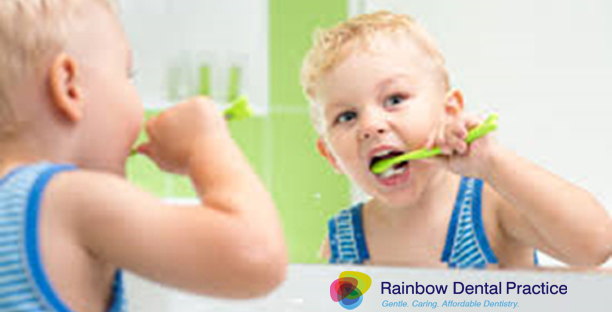
How To Brush Your Child’s Teeth

brush childs teeth

child has a full set of 20 baby teeth by the age of two to three years.

As soon as your baby develops their first tooth, they are at risk of dental decay. To prevent this, firstly you should make sure you clean your child’s teeth morning and night and maintain a good oral hygiene by brushing and flossing their teeth and having regular dental check-ups, apart from choosing a healthy diet and proper overall hygiene.

To brush your baby’s teeth, use a baby’s toothbrush with a small head and soft with rounded bristles. Replace the toothbrush regularly, in between one to three months. Having your baby on your lap, facing away from you, helps you reach the teeth more easily. Brush with small, gentle circular movements, concentrating on the area where the teeth and gums meet. If your baby doesn’t like having the teeth brushed and squirms away, try giving them their own toothbrush to hold. It is very probable that they will feel in charge. You can even let them to have a go by themselves. Of course, with your help. Up to 18 months, brush their teeth with plain water. Special fluoride-free toothpastes can be used around the age of 18 months. Just a very small amount.

Teach your child to spit out the toothpaste after brushing. But don’t rinse his mouth with lots of water. Leaving a bit of toothpaste residue on the teeth makes the toothpaste work better. Do not forget to put the toothpaste out of reach of the children because some of them like it too much and they can eat it.

If you can, let your baby watch you brushing your teeth as often as possible. The power of example! You also can seek guidance to your dentist or dental hygienist. They will be happy to help.

Toddlers should have their teeth brushed twice a day, ideally for two minutes at a time, in the morning after breakfast and in the evening before bed. Your toddler will need your attention during brushing.

Teach them how to brush. Don’t forget to get the right brush, with a long handle that allows you to reach around every tooth in your toddler mouth. Sometimes, you can apply the finger brushing. Finger toothbrushes slip onto your finger and have soft bristles at the tip. Buy a colourful toothbrush. You can find a toothbrush that lights up, plays music, or makes a noise after the job’s done. Whatever type of toothbrush you use, replace it every one to three months.

Put your child on a step stool in front of you. Face a mirror and brush his teeth with your hand over their hand. This way, they can watch you and learn how to brush. Work on one tooth at a time, and use a gentle back-and-forth motion across the chewing and inner surfaces, then switch to a circular motion along the sides, holding the brush at a 45-degree angle. On areas that don’t have teeth yet, lightly brush the gums, and don’t forget the tongue, which is a popular hangout for bacteria.

Regarding the toothpaste and mouthwash, it is better to stick only to water or fluoride-free toothpaste until your child can be trusted not to swallow it. After that, your child can start using a pea-sized amount of fluoridated toothpaste. When they are around two years old, you can show them how to rinse after brushing. You can also use a fluoride-free mouthwash, if the dentist or paediatrician gives you the ok.

Flossing is needed to be started as soon as two teeth grow in side by side. Starting with the age of two and a half, you can floss at least twice weekly in areas where the teeth are touching. Flossing helps remove bacteria from between teeth and keeps the gums healthy. You can use your regular floss or try one of those handheld plastic flossers shaped like a kid-friendly character.

Have your toddler on your lap, facing you. Floss their teeth as you would your own, using your index fingers and thumbs to guide floss gently in between the teeth. Carefully slide the floss up and down against the tooth surface and under the gum line, flossing each tooth with a clean section. Focus on the molars first and work your way from the back of the mouth to the front. You may let your little one have a go with the floss. After flossing, have your child rinse with water. And finally, brush your child’s teeth.

Try to make your children’s cleaning teeth a fun time! You may sing a song, tell a story or ask a nightly riddle during brushing.

Giving them a good hygiene and a proper health education is the foundation of a healthy and happy life!

Please feel free to contact our kids friendly dentist on 02 8021 5285 if you have any queries.
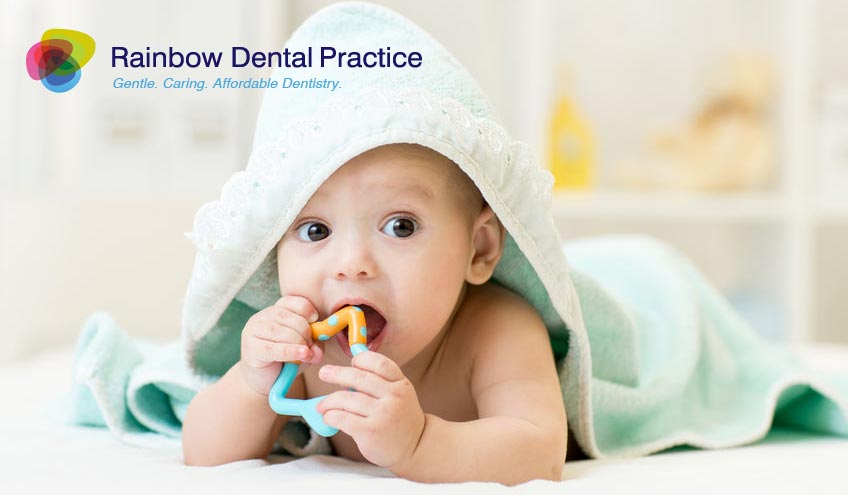
Oral care for babies

babies oral care
The baby teeth are very important! They help a child to learn to chew and speak properly. They maintain the correct space in a child’s gums to allow the eruption of their permanent teeth.

Normally, a child has a full set of 20 baby teeth by the age of two to three years. The children first dental visit should be right after the eruption of the first tooth or by the child’s first birthday.

When new teeth break through their gums, babies are irritable. There are signs and symptoms as: frequent crying and crankiness, slight fever, reddened cheeks and drooling, appetite loss and upset stomach, diarrhoea, sucking or gnawing on toys, pulling the ear on the same side as the erupting tooth.

To help relieve the discomfort of teething, the Australian Dental Association gives some tips:

  • Washing your hands and then gently rubbing your baby’s gum with a clean finger.
  • Give your baby a teething ring or wet washcloth to bite.
  • Teething rings can be chilled in the refrigerator before use to help manage gum swelling and pain. Do not put teething rings in the freezer!
  • Give your baby non-sweetened rusks to chew on.
  • Ask your dentist or pharmacist for advice before using any pain reliever specifically created for babies and toddlers. Never give aspirin to a baby or young child.

Another thing you should consider in regarding baby’s oral health is thumb sucking. This is a natural reflex in babies and young children. Children who continue to suck their thumb or fingers after the permanent teeth have appeared risk developing crooked teeth. Also, speech defects may arise, especially with the “s” and “th” sounds. Encourage the child to give up thumb sucking and if necessary ask your dentist for advice if your child cannot stop thumb sucking.

As soon as your baby develops their first tooth, they are at risk of dental decay. Here are some advices to help in preventing this:

  • Avoid settling your baby to sleep overnight with a breastfeed or bottle of milk, sweetened flavoured milk, cordial, soft drink or fruit juice.
  • If your baby needs to suck on something to sleep, offer a dummy rather than a bottle.
  • Encourage your baby to learn to drink from a toddler cup from 12 months of age.
  • Before bed, gently wipe down baby’s teeth with a moistened cloth before putting them to sleep.
  • Avoid giving your baby or toddler frequent snacks – three meals and two snacks per day is ideal to meet dietary needs. Diet plays a significant role in the health of your child’s teeth. Your child should enjoy a variety of nutritious foods, especially foods rich in calcium and low in acids and sugars. Offer your child a diet high in fresh fruits and vegetables, wholegrain cereals, lean meats and dairy products. Limit sugary snacks such as lollies, fruit and muesli bars, biscuits, dried fruit, cordials, juices and soft drink.
  • Make sure you clean your child’s teeth morning and night.
  • Maintain a good oral hygiene by brushing and flossing teeth and having regular dental check-ups.

In order to brush your baby’s teeth, you may:

  • Once baby teeth appear, use a baby’s toothbrush with a small head and soft with rounded bristles. Replace the toothbrush regularly, every one to three months.
  • Up to 18 months, brush their teeth with plain water.
  • Special low fluoride toothpastes can be used around the age of 18 months. Just a very small amount.
  • Teach your child to spit out the toothpaste after brushing. But don’t rinse his mouth with lots of water. Leaving a bit of toothpaste residue on the teeth makes the toothpaste work better.
  • Have the toothpaste out of reach of the children because some of them like it too much and they can eat it.
  • Having your baby on your lap, facing away from you, helps you reach the teeth more easily. Brush with small, gentle circular movements, concentrating on the area where the teeth and gums meet.
  • If your baby doesn’t like having the teeth brushed and squirms away, try giving them their own toothbrush to hold. It is very probable that they will feel in charge. You can even let them to have a go by themselves. Of course, with your help.
  • If you can, let your baby watch you brushing your teeth as often as possible. The power of example!
  • You can seek guidance to your dentist or dental hygienist. They will be happy to help.

Starting with the age of two and a half, you can floss at least twice weekly in areas where the teeth are touching. Flossing helps remove bacteria from between teeth and keeps the gums healthy. Slide the floss between the teeth and gently work it up and down, against the surfaces of each tooth. After flossing, have your child rinse with water. And finally, brush your child’s teeth.

Try to make it as fun as possible, with songs, colours and play!

School Holidays Kids Dental Appointments

images


It’s holiday time – which means it’s time for everyone to have a break. And it’s not just the kids that need a breather: moms and dads need a break from spending, too! That’s why Rainbow Dental is offering a “no gap for kids” special these school holidays.

No Gap for Kids Special

Book your kids in for a spring clean consultation: scale + clean, fluoride treatment and x-rays (if required) and if you have private health insurance, you won’t have to pay any gap fees. Not a cent!

We also accept Medicare Child Dental Benefits scheme so we bulk bill kids who are eligible for this scheme, not sure whether your kids are eligible for this scheme ? Don’t worry we can check your kids eligibility online through medicare portal.

Don’t have private health insurance?

Not a problem. If you don’t have health insurance, you can pay just $99 capped for the one consultation, including scale + clean, fluoride treatment and x-rays (if required)

Offer Valid during School Holidays Only

This offer is only valid between 27th June to 12th July 2015, so if your kids need a  clean, contact us today and reserve your dental appointment.

Call Now, We're Available (02) 8021 5285 Book Online